


Water Slide Insulation
5 January, 2025
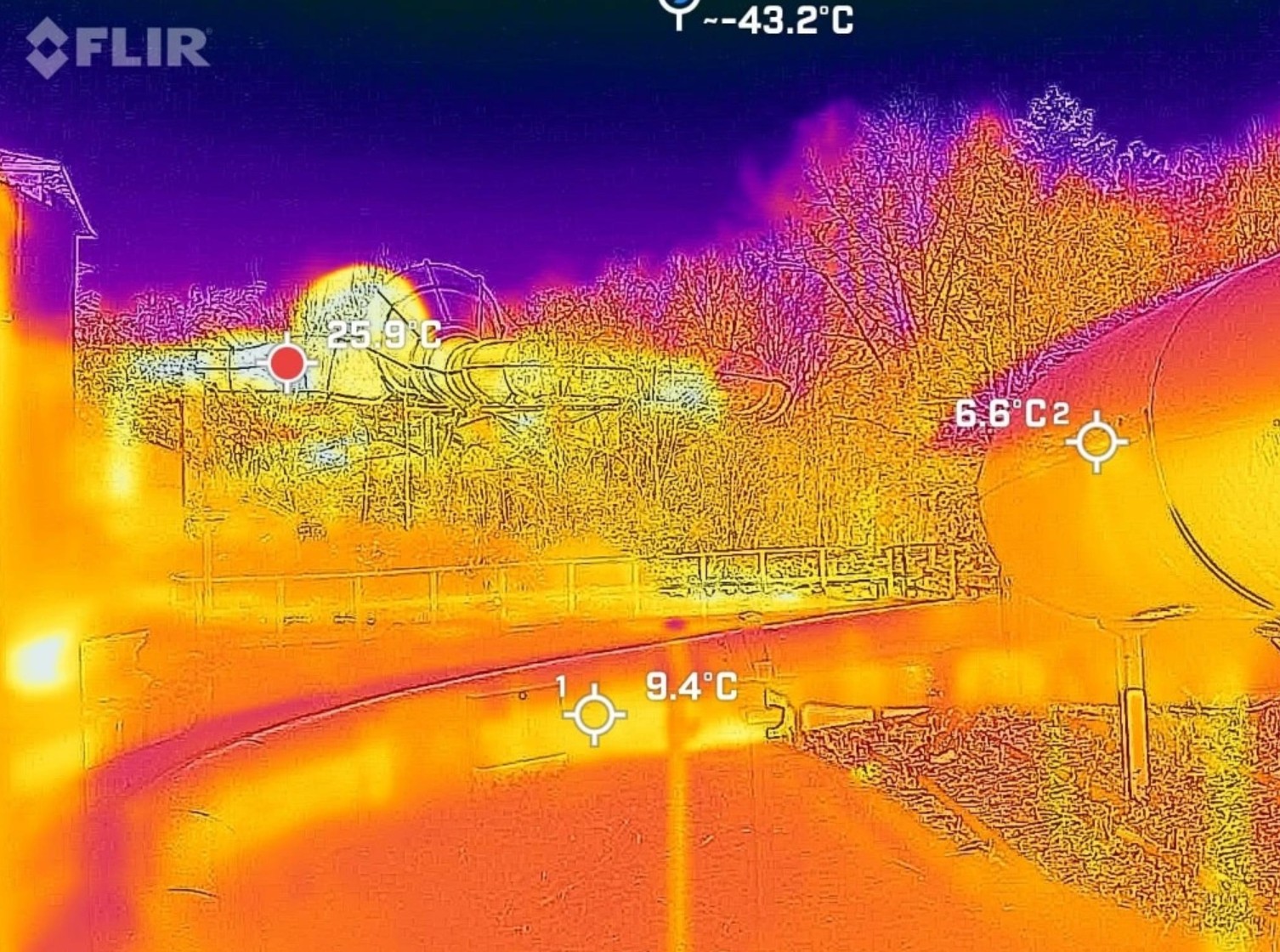
‘The benefits of effective insulation? Energy savings, cost savings, comfort for guests, and sustainability’
Image: Avasto Recreatietechniek
Water slide insulation is currently a hot topic (no pun intended). I receive many questions about it, so here is an attempt to provide some more information.
What are the benefits of effective insulation?
- Energy efficiency: Reduces the need for additional heating systems, saving energy and costs.
- Comfort: Maintains a consistent water and slide-surface temperature, improving user comfort.
- Durability: Protects slide materials from temperature-related wear.
What methods are used?
Insulation materials
- Foam insulation: closed-cell polyurethane foam is a common choice. It is lightweight, waterproof, and provides excellent thermal insulation. Applied as a layer under or around the water slide structure to minimize heat loss.

- Spray foam: this method involves spraying foam directly onto the surface. It expands and adheres to the structure, creating a seamless insulation layer. Ideal for irregular shapes and openings.
- Thermal wraps: special thermal blankets or wraps can be applied to the outside of the slide to retain heat. Often used temporarily during colder months.

Structural design for insulation
- Double-walled slides: some water slides are manufactured with a double-walled construction, where insulation material (e.g., air or foam) is sandwiched between the layers. This method provides both thermal insulation and extra structural strength.
- Integrated heating elements: heating coils or cables integrated into the slide structure can regulate temperature, reducing the need for external insulation.
Surface coatings
- Thermal barrier coatings: these are special paints or coatings applied to the slide surface that reflect heat and maintain internal temperature.
Useful for outdoor slides in warm or cold climates. - Sun-blocking coatings: for slides exposed to sunlight, these coatings prevent overheating by reflecting solar radiation.
Water temperature control
- Preheated water: ensuring that the water circulating through the slide has an optimal temperature reduces the cooling effect on the slide itself.
- Insulated water supply lines: using insulated pipes to feed water to the slide helps maintain water temperature.
Environmental barriers
- Enclosures: enclosing the water slide within a structure (building, dome or greenhouse) reduces exposure to external temperature fluctuations and helps retain heat. However, this is more expensive because it takes up costly indoor space.

- Windbreaks: installing barriers to block wind can prevent rapid cooling of the slide surface and water.
- Use of a ‘stop’ to close slide openings when the lanes are not in use.

Advanced technologies
- Phase change materials (PCMs, Phase Changing Materials): these materials absorb, store, and release heat, helping to maintain temperature stability.

- Smart sensors: sensors monitor the temperature of the slide and water and activate heating systems when needed.